 Where It Can
Take You
Moving in a New World
We don’t look to messages to tell us what to think anymore. We look to experiences that help us feel what matters.
People are drawn to communities and causes that reflect their values—not through persuasion, but through resonance. Through stories and moments that connect with our emotions, reflect our hopes, and allow us to decide for ourselves.
Today, communication isn’t about pushing information. It’s about creating meaning. And when done well, it becomes an invitation—not just to care, but to belong.
That kind of connection doesn’t happen by accident. It takes clarity, intention—and the right support to carry it forward across every channel, without losing what makes it human.
Creating a Movement
Movements don’t start with messages—they start with meaning.
Shared experiences spark connection. Stories make it stick. And when people feel part of something bigger, they act. Together, that action becomes momentum. That momentum becomes change.
Today, it’s not just about what you say or where you say it. It’s about the experience you create.
When communications are designed to move people—not just inform—they invite deeper engagement. They make individuals feel part of a collective purpose. And they empower communities to do more than they thought possible.
Creating those kinds of experiences takes intention—and the right support to bring them to life again and again, with clarity and consistency.
How Movements Really Happen
Most messaging strategies aim to inform or persuade—to tell people what to think or do.
But movements don’t take root because people are told. They grow because people feel connected.
Movements happen when individuals share a sense of purpose. When conversations ripple through a community. When ideas are passed from neighbor to neighbor—not as instructions, but as invitations.
And most of all, movements happen when people feel supported by their peers to act on what they already believe is right.
That kind of energy can’t be manufactured—but it can be nurtured. With the right strategy and tools, you can keep the message consistent, open the door for shared ownership, and make it easier for communities to lead themselves forward.
Your Organization’s Role as Leader
Movements don’t grow because a leader takes center stage—they grow because leaders create space for others to step in.
That means empowering your community through meaningful experiences. Helping them share their stories. Giving them tools—not just messages—to build connections that ripple outward.
Today’s movements are deeply digital. Online hubs, social platforms, and content-sharing networks enable advocates to engage and expand your reach with a tap or a share.
That’s why strong leaders don’t just speak to followers—they activate amplifiers. They invite people with influence and integrity to carry the cause forward, bringing others along not through persuasion, but through purpose.
Building Momentum
Movements don’t need massive numbers to gain traction—they need deep commitment.
The most effective campaigns focus on building tight-knit communities of people who care deeply, not just casually. It’s not about chasing more eyeballs. It’s about earning trust.
Momentum grows when someone shifts from being a curious visitor to an engaged participant. From liking a post to sharing a story. From browsing your site to backing your mission.
With the right messaging tools and supporter pathways in place, you can guide that journey—turning interest into involvement, and involvement into advocacy.
Because real growth doesn’t just come from reach—it comes from resonance.
Keeping the Focus
Leaders of strong movements know that growth starts from the center.
When your community is emotionally connected and tightly aligned, everything moves faster—ideas spread, coordination improves, and shared purpose deepens.
It’s not about broadcasting louder. It’s about cultivating the kind of trust that turns listening into action.
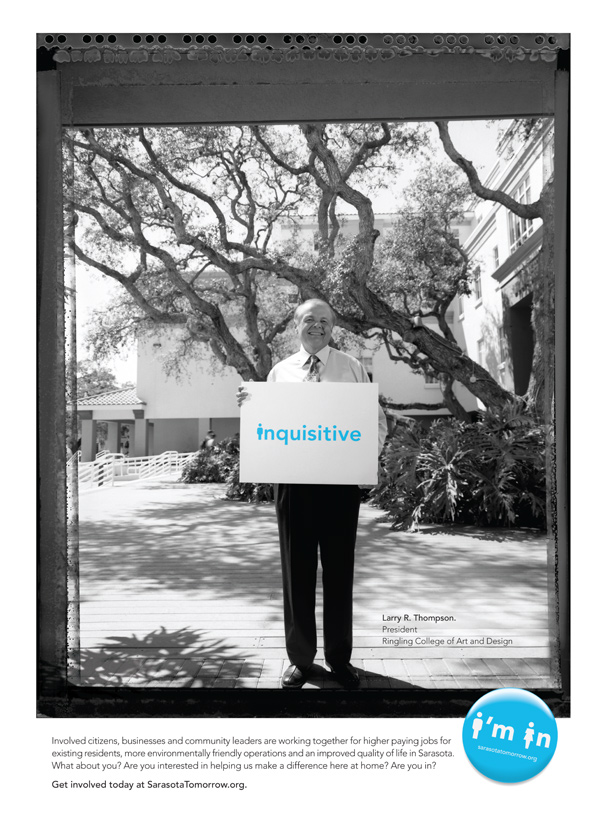
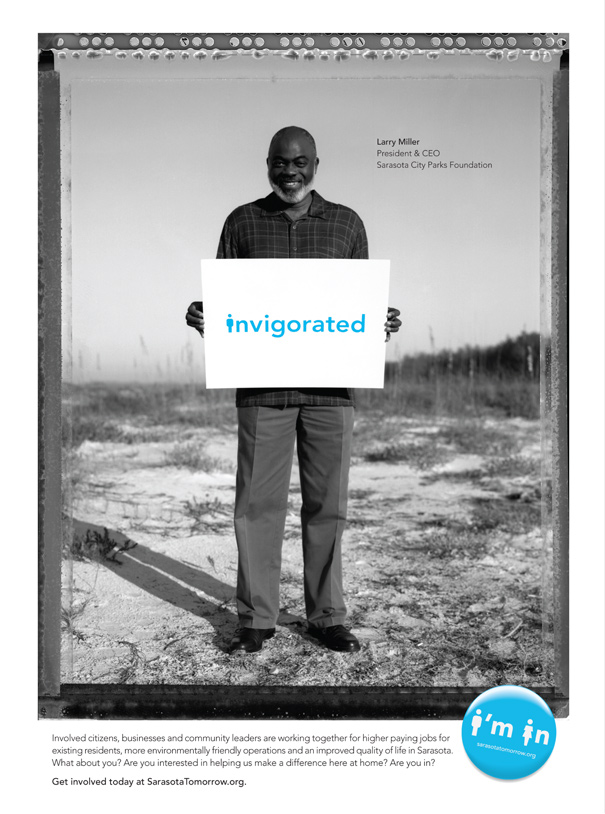
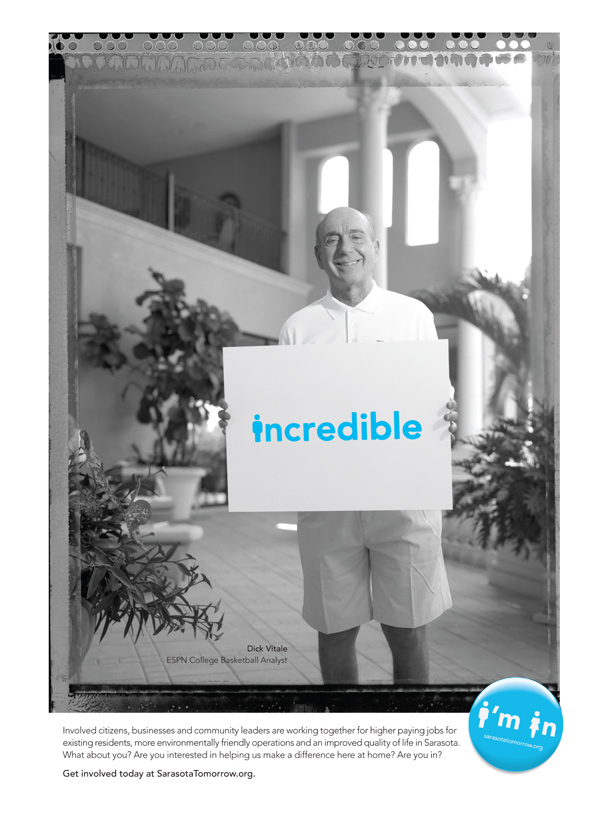
For Example What did you do in the Great Recession?
Florida imploded.
The tourism and real estate industries it so depended upon collapsed. Businesses closed. People lost their jobs. Families struggled.
But in the midst of crisis a dream was born.
It was a dream to diversify the economy. To bring local business leaders, government officials, and everyday citizens together. And to create an environment where businesses could start, restart, and relocate.
But the big question was how to assemble and connect these diverse groups into an empowered tribe.
MagnifyGood found the answers in empathy research with local business leaders and the people of Sarasota County.
With that insight, they began connecting with people. Building the tribe. And then connecting tribe members to the Greater Sarasota Chamber of Commerce to lead the way.
Connected together they found their voice. Together they moved the cause forward. Together they created a movement. Together they built momentum.
And together they returned $416 to the greater Sarasota economy for every dollar invested.
All under the rallying cry of “I’m In.”

- Have we created an emotional connection with people in our community?
- Have we published some kind of manifesto that points to the change we want to make in the world (written or otherwise)?
- How are we enabling communication within the community?
- Have we identified and engaged influencers — super connectors — who can spread our cause through their large network of followers?
- Do we challenge the community?
- Do we give them projects to work on together? (People long to be a vital part of something bigger than themselves.)
- Do we lead the conversations where we want them to go, make it easy for everyone to participate, and then reward those who do the most?
- Do we let the members recommend our service in their conversations rather than promoting it ourselves?
- Are we focused on serving our true fans and helping them bring others into the community?
- Are we acting authentically?
- Do we care about our community members? (They know if you care about them — if you care about what happens to them, what inspires them, what affects them, what improves their lives, and what brings them joy).