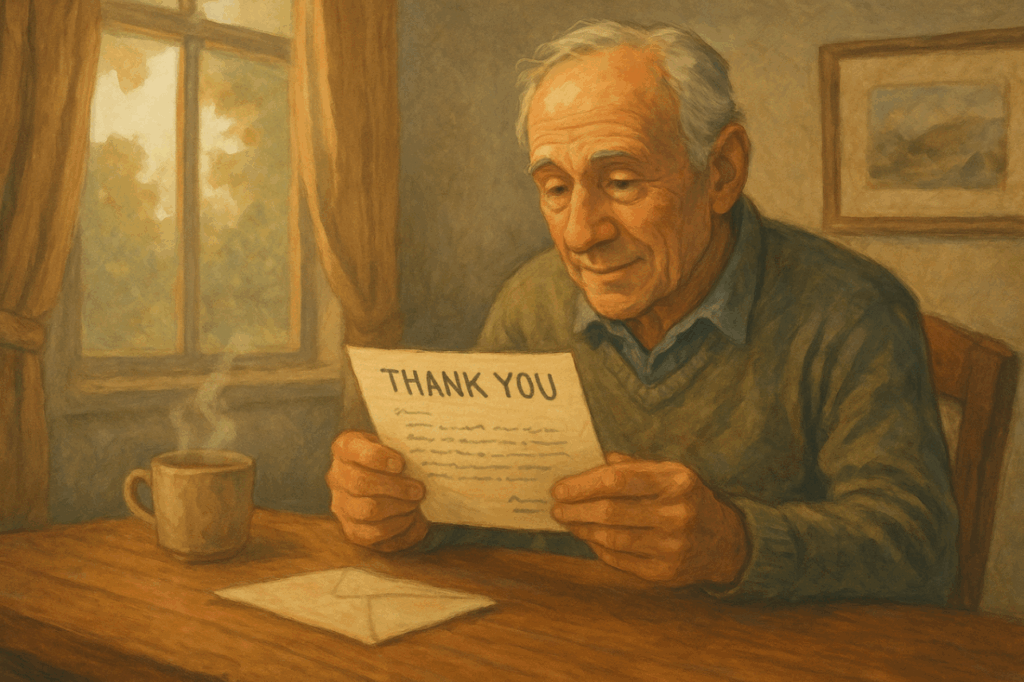
The email looked fine at first glance. It was polite, formatted correctly, and even mentioned the recent campaign. But something was missing.
A longtime donor read the thank-you note twice and still didn’t feel the warmth he’d come to expect. The words sounded stiff, almost copy-and-paste. He knew the organization appreciated his gift—but he didn’t feel it.
That’s the risk when donor communications lose their human touch.
Why Donor Messaging Requires Extra Care
Donors give because they believe in your mission and because they feel connected to your work. Every thank-you email, stewardship note, and annual appeal is more than information—it’s a moment of relationship-building.
And here’s the thing: Donors can tell when something feels phoned in. You’ve probably felt it too—reading a message that technically says “thank you” but leaves you wondering if the sender even remembers why you gave.
That’s why nonprofit leaders are right to be cautious about using AI in donor messaging. A message that feels automated can do more harm than good. But the truth is, AI doesn’t have to replace authenticity. Used wisely, it can support your team by removing the grunt work so you have more energy to focus on the human connection.
Think of AI as the assistant who drafts the first version, while you provide the heart.
Where AI Fits in Donor Messaging
So where does AI make sense? Not in your major donor appeals or a sensitive year-end statement from your CEO. Those moments should always come directly from people, not tools.
But what about the smaller touchpoints—the quick thank-you note after a campaign, or the first draft of a donor newsletter blurb? That’s where AI can help you skip the blank page.
For example, you might try something as simple as:
“Draft a warm thank-you email for donors who gave to our annual gala. Keep it under 150 words, reference the funds raised for our youth mentorship program, and use an appreciative, conversational tone aligned with our nonprofit brand voice.”
Is that the final draft? Of course not. But it’s a head start—and one you can quickly refine to make sure it sounds like you.
Guardrails That Keep It Authentic
The most important rule is simple: AI drafts, humans approve. Always.
That means reviewing every AI-generated draft through your nonprofit’s filter for tone, warmth, and accuracy. It means giving AI specific directions about your brand voice, as we explored when looking at small AI shifts that save time, so the output already leans in the right direction.
It also means being mindful of what not to do. One organization let AI draft a thank-you without editing—and the result was a message that sounded more like a receipt than gratitude: “Thank you for your contribution to our general fund.” Accurate, yes. Inspiring? Not at all. Without a human edit, the warmth was missing, and so was the connection.
Would you send that to a longtime donor? Probably not. And that’s the point: Guardrails keep you safe.
Practical Ways to Try It
Picture this: You’ve just wrapped a successful campaign. Instead of starting cold, you feed AI the highlights and ask it to draft a short update: “Write a donor update celebrating our recent campaign, highlighting that we exceeded our fundraising goal and funded 500 community meals. Use a tone that’s enthusiastic but still authentic.”
Now you’re not wrestling with a blank page—you’re shaping a story.
Or maybe you’re working on a donor newsletter. You plug in program updates, and AI suggests a structure for the blurbs. Instead of spending an afternoon tinkering with phrasing, you spend it adding context and warmth only you can bring.
These uses aren’t about cutting corners. They’re about reclaiming time so you can focus on what really matters—relationships. That’s the same principle behind creating prompt libraries: AI works best when it takes the busywork off your plate and leaves you room to be human.
Bringing It Back to the Donor
AI should never take the lead in donor messaging. But it can be a supportive partner—one that helps you get to the part only you can provide: the warmth, authenticity, and connection that inspire generosity.
Because at the end of the day, donor communications aren’t just about saying thank you. They’re about reminding people that they’re part of something bigger—that their generosity is fueling change. And no AI can deliver that better than you.
👉 See how AI can support donor messaging—book a walkthrough today.